
View in Spanish(opens in new tab)
What Is Respiratory Syncytial Virus (RSV)?
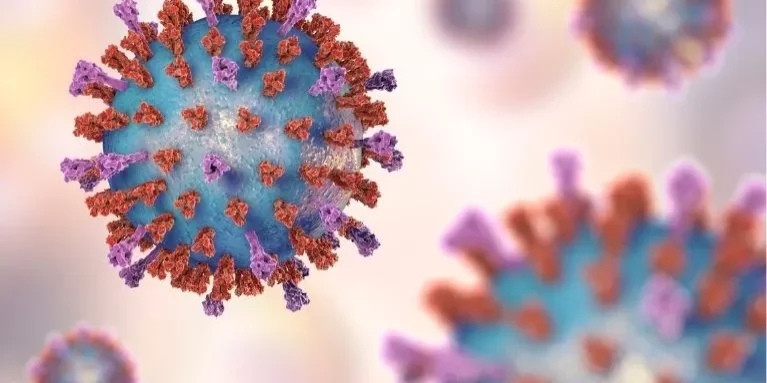
Respiratory syncytial (sin-SISH-uhl) virus (RSV) is a common virus that can infect the nose, throat, and lungs, and make it hard to breathe. It usually causes mild symptoms similar to the common cold, but RSV can be serious, especially for babies or older adults.
Getting RSV does not provide long-lasting immunity, so children and adults can get infected more than once.
Vaccines and preventive antibodies can help protect against severe RSV.
A Quick Guide to RSV
How it spreads |
|
Common symptoms |
|
Impact |
|
Vaccine? |
Yes, there are RSV vaccines for older adults and pregnant women, and preventive monoclonal antibodies for infants |
Can it be cured? |
No |
How Common or Serious Is RSV?
RSV is very common. The infection leads to millions of doctor visits each year, mostly in the fall and winter months. Most infections are mild, but RSV can be very serious.
- RSV is the leading cause of hospitalization for US infants.
- Each year in the US, about 110,000-180,000 adults age 50 or older are hospitalized with RSV and 6,000-10,000 die.
The actual burden among all age groups is likely even higher due to underreporting of RSV infections.
RSV can lead to complications that make breathing harder, including lung infection (pneumonia) or airway infection (bronchitis or bronchiolitis). It can also worsen other health problems such as heart failure, asthma, chronic obstructive pulmonary disease (COPD), or other lung disease.
What Causes RSV?
RSV spreads when an infected person coughs, sneezes, or kisses someone, sending tiny droplets into the air. You can also get it by touching something with the virus on it and then touching your eyes, nose, or mouth.
RSV can live for many hours on hard surfaces like tables and cribs, but it does not last as long on soft surfaces like tissues or hands. Children are often exposed to RSV outside the home at school or daycare and can bring it home to others.
Who Is at Risk for Severe RSV?
Anyone can get RSV. Most people will get their first infection by the time they are 2 years old. Most cases are mild, but people at highest risk for severe RSV disease include:
- Children:
- Age 6 months or younger
- Prematurity
- Weakened immune system
- Adults:
- Adults with chronic heart disease, lung disease, or other underlying medical conditions, including diabetes or obesity
- Adults with weakened immune systems
- Older adults, especially those who are frail or live in a nursing home
What Are the Symptoms of RSV?
Symptoms of RSV infection are similar to flu, COVID-19, and the common cold:
- Coughing
- Sneezing
- Runny or stuffy nose
- Wheezing, difficulty breathing
- Headache
- Fever
- Loss of appetite
- Sore throat
- Fatigue
To help you tell the difference between RSV, flu, COVID-19, and the common cold, the National Foundation for Infectious Diseases (NFID) developed a simple chart, available in English and Spanish.
These symptoms need medical attention right away:
- High fever – Fever above 104° (or 100.4° for infants under 3 months old)
- Trouble breathing
- Rapid, shallow breathing
- Skin between ribs pulling in when breathing
- Bluish skin, lips, or nails
How Can You Prevent RSV?
The best way to help prevent serious RSV-related illness is to get immunized as recommended.
Adults
A single (lifetime) dose of RSV vaccine is recommended for certain adults:
- Pregnant women at 32-36 weeks of pregnancy during September through March
- All adults age 75 or older
- Adults age 50 or older who are at risk for severe RSV infection
Infants and Young Children
- A single dose of a monoclonal antibody is recommended for infants younger than 8 months born to mothers who did not receive an RSV vaccine during pregnancy.
- The dose should be given shortly before RSV season, or within one week of birth if born during RSV season (typically October-March).
- An additional dose—ahead of the child’s second RSV season—may also be recommended for children age 8-19 months who are at increased risk for severe RSV.
Recommendations vary based on age, health and pregnancy status, and immunization history. Talk with your healthcare professional about which option is right for you or your child.
Other steps can help prevent the spread of RSV:
- Cover coughs and sneezes
- Wash hands often with soap and water for at least 20 seconds
- Avoid close contact with others who are sick
- Avoid touching your face, particularly eyes, nose, and mouth
- Clean frequently touched surfaces
- Consult a healthcare professional if you have cold-like symptoms that linger or worsen
How Is RSV Treated?
There is no specific antiviral drug or treatment for RSV. Fluids and over-the-counter medicines can manage mild symptoms.
Treatment for severe RSV may include oxygen and respiratory care.
Updated September 2026
Sources: American Academy of Family Physicians, American Academy of Pediatrics, American College of Obstetricians and Gynecologists, Centers for Disease Control and Prevention, Infectious Diseases Society of America
For more information, read the NFID Call to Action: Reducing the Burden of RSV across the Lifespan (2022).
Related Resources
Preparing for Respiratory Season: 2026-2027 Immunization Updates
Join NFID for a webinar discussion highlighting the importance of immunization to help protect against severe illness during the upcoming respiratory season …
Respiratory Immunization Updates: Protecting Maternal and Special Populations
In this recorded webinar, NFID hosts a discussion on the importance of respiratory vaccination among pregnant women and immunocompromised individuals …
2025 National Survey on Respiratory Diseases
The 2025 national survey examines attitudes and behaviors regarding flu, RSV, COVID-19, and pneumococcal disease.
Related Posts

NFID Announces Launch of National Respiratory Communications Initiative
NRCI brings together leading immunization, patient advocacy, and public health organizations to make evidence-based prevention guidance easier to find, understand, and use.
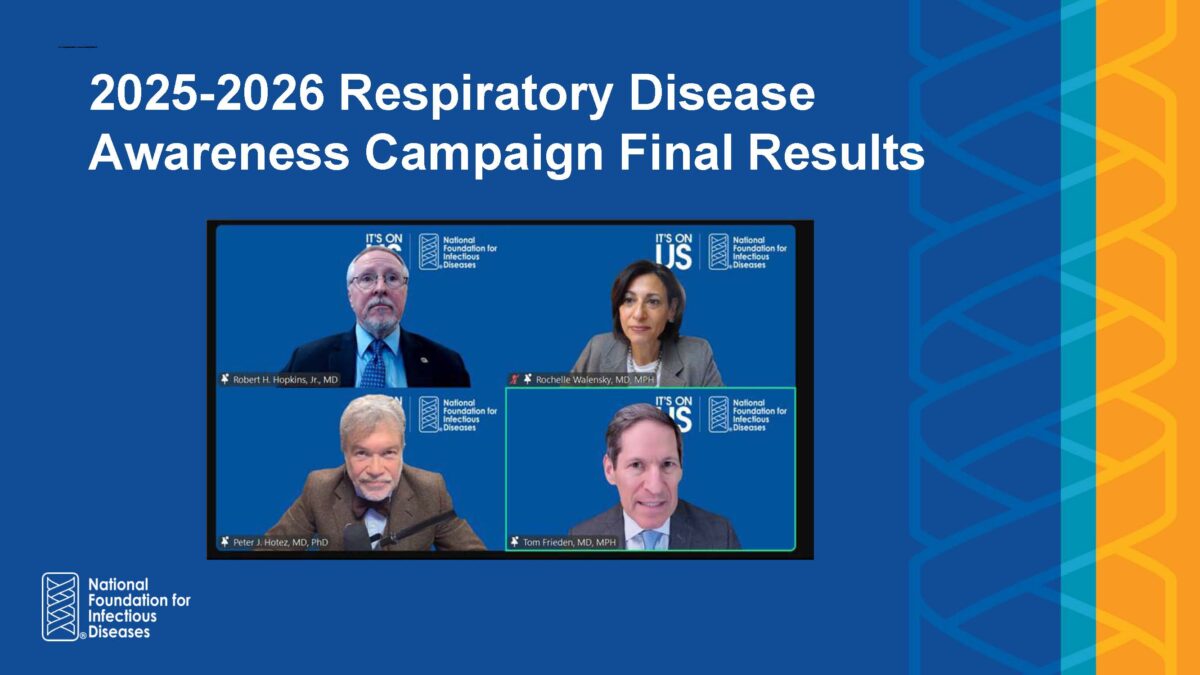
Advancing Prevention in a Complex Respiratory Season
2025–2026 Respiratory Campaign round-up: NFID and partners urge immunization to help protect against COVID-19, flu, RSV, and pneumococcal disease

News Round-Up: Public Health in Flux
News and expert insights on public health policy, outbreak response, and evolving risks across the US and globally